
Reviewed By Hamza · CEO · Updated October 23, 2026
Groundwater Seeping Up Through Your Slab
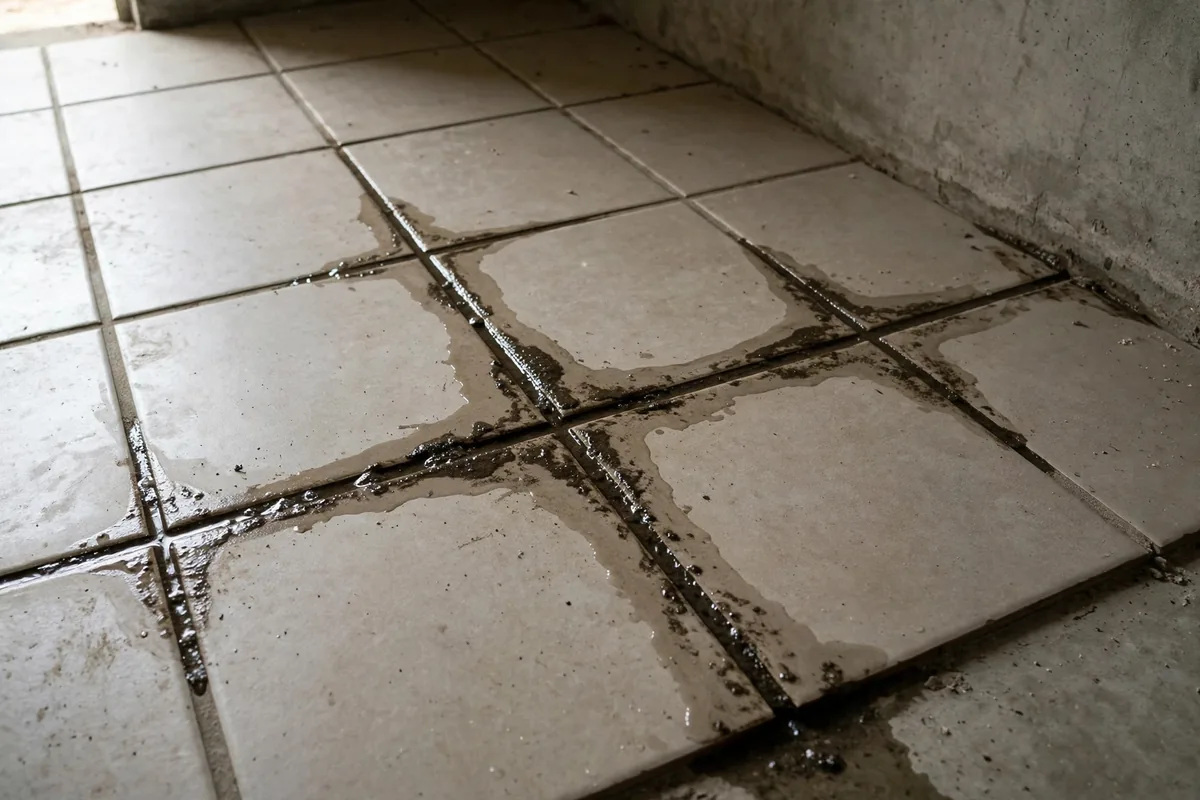
In much of Florida, the ground itself is wet: groundwater sits close to the surface, and in the rainy season it can push up through cracks and joints in your concrete slab. Groundwater seeping through a slab looks different from a plumbing leak — it appears in several spots at once, gets worse after heavy rain, and no pipe is broken. Because the water comes from below, it can spread silently under tile and flooring for weeks. This guide explains the signs, how pros tell groundwater apart from a slab leak, why Florida slab homes are so exposed, what can actually be done about it, and how to lower the risk.
In This Guide
- The Short Answer: Groundwater Rises, And Florida Slabs Sit Close To It
- What Are The Signs Water Is Coming Up Through The Slab?
- Groundwater Or Slab Leak: How Pros Tell The Difference
- Why Are Florida Slab Homes So Vulnerable?
- What Can A Pro Do About Groundwater Seepage?
- Can You Prevent Groundwater From Seeping Up?
The Short Answer: Groundwater Rises, And Florida Slabs Sit Close To It
Groundwater seepage happens when the water level under your home rises high enough to press moisture up through the slab. Florida's high water table — groundwater sitting close to the surface — means many slabs are only a short distance above saturated ground, especially in the summer rainy season.
A typical Florida slab-on-grade home, a house built directly on a concrete slab with no crawlspace, has no air gap beneath the floor to buffer that moisture. The concrete slab — the thick concrete floor foundation the home sits on — is porous, and water vapor and liquid water move through cracks, control joints, and the gaps around pipes. When the ground is driest, you may see nothing at all; when the water table peaks, floors can feel damp across whole rooms.
What Are The Signs Water Is Coming Up Through The Slab?
The classic signs are dampness that appears in more than one spot, follows the slab's joints and cracks, and tracks the weather — worse after days of rain, better in dry spells. Homeowners often notice a musty smell near the floor, white mineral crust on the concrete, or flooring that feels cool and damp in patches.
- Wet spots along joints and cracks, rather than one puddle under one fixture.
- White, chalky residue (efflorescence) on bare concrete — minerals the rising water leaves behind as it evaporates.
- Tile and grout that darkens from below: tile and grout are the ceramic surface and joints on many slab floors; the surface can look fine while moisture moves underneath.
- Baseboards swelling at the bottom: the baseboard, the trim strip where wall meets floor, wicks moisture up from the slab edge.
- No change in your water bill and no single wet room — patterns that point away from a plumbing leak.
Under finished floors, the subfloor — the layer under finished flooring — and the edges of rooms are where the moisture shows first, often weeks after it started.
Groundwater Or Slab Leak: How Pros Tell The Difference
Pros separate the two by pattern and by testing, because the fixes are completely different. A slab leak — a leak in a water pipe running under the slab — usually concentrates in one area, runs in all weather, and often shows up as a higher water bill or a warm spot from a hot water line.
The check starts with measurement. A moisture meter, a handheld tool that measures water inside materials, maps how far the dampness extends; a pinless moisture meter, which scans below a surface without making holes, sweeps whole rooms quickly to find the wet pattern. A thermal imaging camera, which shows temperature differences on a screen, reveals the cool, damp areas against dry floor. If the readings spread across several rooms and follow the slab joints, groundwater is likely. If they cluster at one spot, a plumber's pressure test checks the pipes. One simple home check helps too: turn everything off and watch your water meter, or close the main water shutoff — the valve that stops all water flowing into the home — and see whether the damp area keeps growing in dry weather. Groundwater keeps its own schedule; a pipe leak stops when the pipe is off.
Why Are Florida Slab Homes So Vulnerable?
Florida combines a high water table, flat ground, and intense seasonal rain — and builds most homes directly on slabs. In low coastal areas, a king tide, an unusually high tide that can flood streets without rain, can push groundwater even higher for days at a time.
Age plays a part as well. Slabs poured decades ago may have thin or damaged vapor barriers under the concrete, and years of settling open hairline cracks that give moisture a path. Once water reaches the top of the slab, it spreads sideways under flooring — under tile it travels along the mortar bed, under floating floors it soaks the underlayment — and wicks into drywall, the gypsum wall board at the base of walls, where mold growth, colonies of mold on wet materials, can start within 24 to 48 hours in warm conditions. That hidden spread is why a problem that looks like a few damp tiles is often measured across a much larger area.
What Can A Pro Do About Groundwater Seepage?
A pro cannot lower the water table, but they can dry the home, protect the materials, and reduce how much moisture gets in. The work starts with moisture mapping — measuring and recording exactly which floors, walls, and materials are wet — so the plan covers the whole affected area, not just the visible spots.
Drying uses an air mover, a powerful fan that pushes air across wet surfaces, together with structural drying, the planned drying of the building's materials checked with daily readings until targets are met. A hygrometer, a tool that measures the humidity and temperature of the air, confirms the indoor air is dry enough for drying to work. Where water has sat, an antimicrobial treatment, a cleaning product applied to surfaces to slow mold and bacteria growth, is part of a proper cleanup. This site is a free referral service, not the contractor: one free call connects you with an independent local pro who can typically arrive in 30–60 minutes to measure your floors and explain whether you are looking at groundwater, a leak, or both. If your home also sits in a FEMA flood zone AE — a mapped high-risk flood area with a one percent annual chance of flooding — ask the pro about the separate flood picture too, because rising water from outside is handled differently from seepage from below.
Can You Prevent Groundwater From Seeping Up?
You cannot stop the water table from rising, but you can reduce how much water collects around and under your slab. Most prevention is about drainage: keeping rain and roof water moving away from the foundation instead of soaking in beside it.
- Grade the soil away from the house so water runs off instead of pooling against the slab edge.
- Keep gutters and downspouts clear and extend downspouts well away from the foundation.
- Watch floors in the rainy season. A quick check of closets and low corners after a wet week catches seepage early.
- Choose flooring with moisture in mind. In rooms that have seeped before, sealed tile handles slab moisture better than floating floors with foam underlayment.
One insurance note: seepage through a slab is usually not what flood insurance is for. Flood coverage through the National Flood Insurance Program (NFIP), run by FEMA, the Federal Emergency Management Agency, covers rising flood water from outside — a different event from groundwater pressing up through the slab. Check your own policy wording for how seepage and gradual water are treated, because gradual damage is commonly excluded.
Not Sure How Bad It Is?
One free call connects you with a local pro who can check it in person — typically within 30–60 minutes.
Related Guides
How To Prevent Water Damage In A Florida Home
Guide — how to prevent water damage
Flood Insurance In Florida: Why Homeowners Insurance Is Not Enough
Guide — flood insurance florida homeowners
Reviewed By Hamza
Role: CEO
Hamza is the CEO of this business. He is very expert in local business and has great experience.
Updated October 23, 2026
Sources
Water In Your Home Right Now?
One free call connects you with an independent local pro who can typically arrive in 30–60 minutes.
Free Call · Answered 24/7 · Local Pros Near You